
From time to time I get comments from people interested in microfibrillated cellulose (MFC) that the...
.png?width=517&height=128&name=Group%20(2).png "Group (2)")
From time to time I get comments from people interested in microfibrillated cellulose (MFC) that the...

The biggest change in the coffee culture in recent years has been the way people prepare their coffe...

2017 looks exciting regarding the commercial use of microfibrillated cellulose (MFC). New industrial...

The first thing that usually comes to mind when hearing the word incontinence is diapers. These larg...
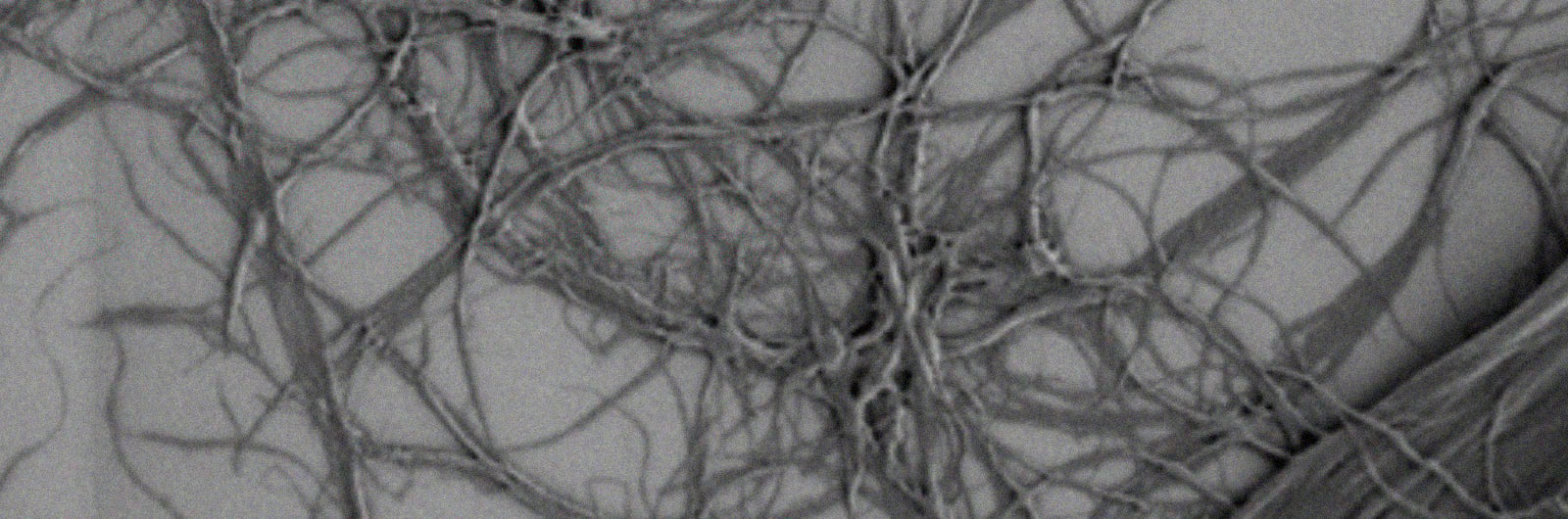
Cellulose is a renewable and sustainable material and is one of the most abundant natural polymers o...

It has been an amazing first year for The Exilva Blog and we’ve been proved that the entrance of Mic...

Cellulose is a renewable and sustainable material and is one of the most abundant natural polymers o...

Microfibrillated cellulose (MFC) and fumed silica are both used for controlling the rheology of liqu...

The use of cellulose in the form of filter paper is known for long. Still, we see limited use in wat...