
Hydroxyethyl cellulose (HEC) and Exilva microfibrillated cellulose (MFC) can both be used as rheolog...
.png?width=517&height=128&name=Group%20(2).png "Group (2)")
Hydroxyethyl cellulose (HEC) and Exilva microfibrillated cellulose (MFC) can both be used as rheolog...

Modified polyurea and Exilva Microfibrillated cellulose (MFC) can both be used as rheology modifier ...

Clay (including montmorillonite and bentonite) additives and Exilva microfibrillated cellulose (MFC)...
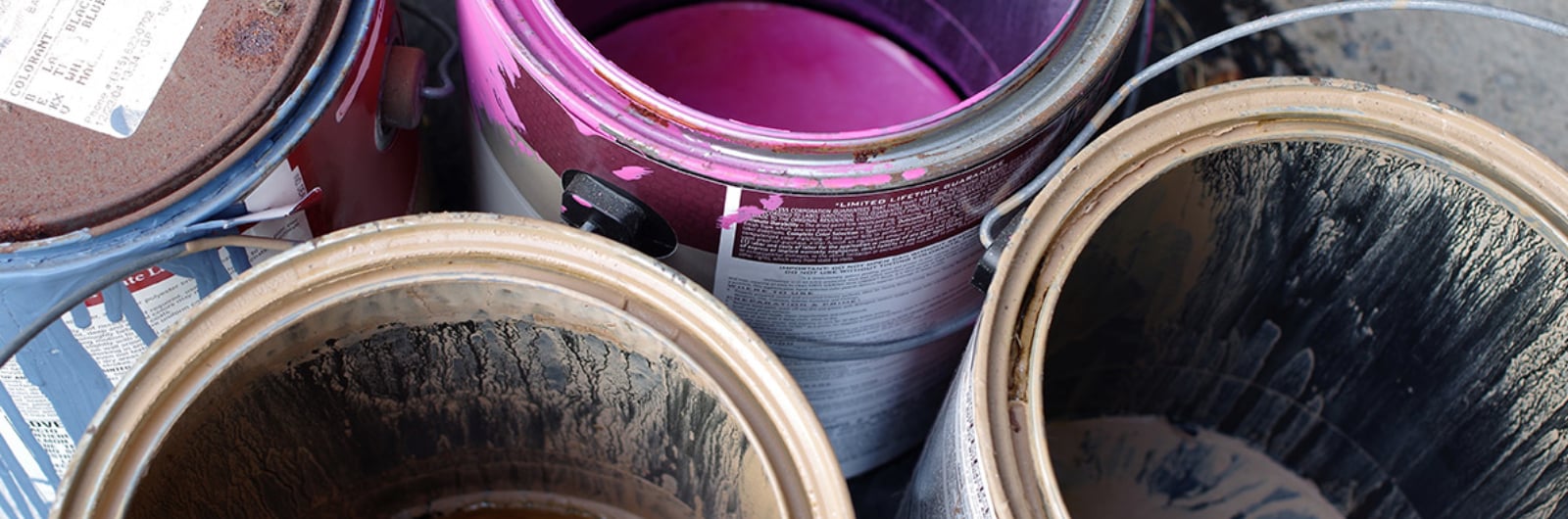
Exilva microfibrillated cellulose and fumed silica are both used for controlling the rheology of liq...

What is heat of hydration, and how does it affect the settling and curing phase of the concrete? Lea...

Gypsum boards (plasterboard/drywall) are a very commonly used product in the construction industry. ...
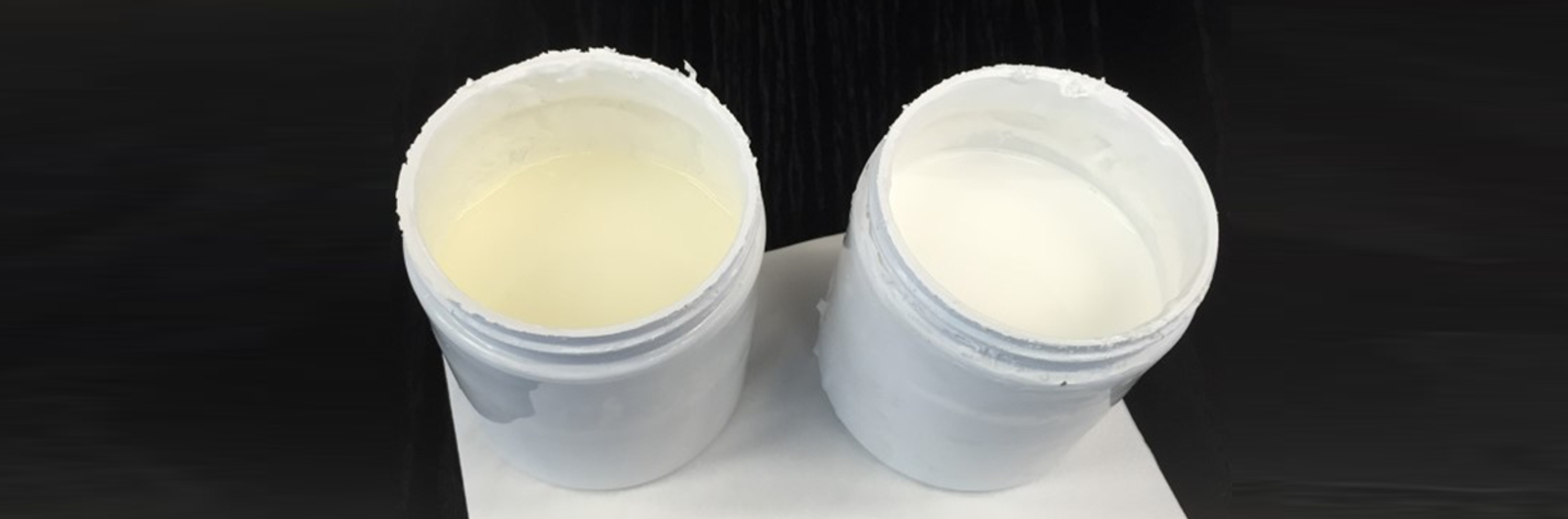
Sedimentation of solid particles in liquid materials, like paints and inks, is caused by gravitation...

In China we are currently seeing a massive shift towards sustainable technologies. Many are describi...

Over the last century, human activities have been affecting the global environment, most noticeably ...